Buy nicaragua-online.com ?
We are moving the project
nicaragua-online.com .
Are you interested in purchasing the domain
nicaragua-online.com ?
domain@kv-gmbh.de · 0541-91531010
Buy nicaragua-online.com ?
Which animals live in volcanoes?
Some animals that live in volcanoes include certain types of insects, such as the Hawaiian happy-face spider and the Hawaiian caterpillar. These creatures have adapted to the extreme conditions of the volcanic environment and have found ways to thrive in this harsh habitat. Additionally, some birds, such as the Hawaiian petrel, have been known to nest in the crevices of volcanic cliffs. Overall, the unique and often harsh conditions of volcanic environments have led to the evolution of specialized species that are able to survive and even thrive in these areas. **
Why do people live near volcanoes?
People live near volcanoes for a variety of reasons. Some people are attracted to the fertile soil and abundant natural resources that are often found near volcanic areas. Others are drawn to the natural beauty and unique landscapes that volcanoes create. Additionally, some communities have cultural or historical ties to the area and have been living near volcanoes for generations. Despite the potential risks, many people choose to live near volcanoes because of the benefits and opportunities that these areas provide. **

Similar search terms for Live
Top-Angebote
Products related to Live:
-
Skip's Garage Live Laugh Hunt Cornhole Boards"Includes: (2) ACA Regulation Size Cornhole Boards. Boards are Regulation 24"" Wide x 48"" Long. Easily Add All-Weather Resin Filled Bags. Add Accessories like a Carrying Case or Board Lights. Lights are Multicolor and Easily Change Colors & Modes."304,49 $*Shipping: 0,00 $Secure redirect to the provider


-
How do people live in this culture?
In this culture, people typically live in close-knit communities where family and social connections are highly valued. They often follow traditional customs and practices, and may rely on agriculture or other traditional livelihoods for sustenance. The culture may place a strong emphasis on spirituality and religious beliefs, and people may participate in regular communal rituals and ceremonies. Additionally, there may be a strong sense of respect for elders and a collective responsibility for the well-being of the community. **
-
In which high culture do we live today?
Today, we live in a high culture that is heavily influenced by technology and media. The digital age has brought about a new form of high culture that is characterized by the widespread access to information, entertainment, and communication through the internet and social media. This has led to the blurring of traditional boundaries between different forms of art, music, and literature, and has given rise to a more interconnected and globalized high culture. Additionally, the influence of popular culture, such as film, television, and celebrity, continues to shape and define our contemporary high culture. **
-
Why do we live in such a cancel culture?
We live in a cancel culture because of the power and reach of social media, which allows for the rapid spread of information and opinions. This has led to a heightened sensitivity to offensive or controversial behavior, and a desire for accountability and justice. Additionally, there is a growing awareness and emphasis on social justice issues, leading to a greater scrutiny of individuals and their actions. However, while cancel culture can be a force for positive change, it also has the potential to be divisive and punitive, leading to a lack of nuance and understanding in public discourse. **
-
Do we live in a culture of outrage nowadays?
Yes, we do live in a culture of outrage nowadays. With the rise of social media, people have a platform to express their opinions and outrage over various issues. This has led to a culture where people are quick to react with strong emotions to news, events, and opinions that they disagree with. The 24-hour news cycle and the spread of information through social media also contribute to the amplification of outrage, leading to a culture where outrage is often the default response to many issues. **

In which ancient culture would you have wanted to live?
I would have wanted to live in ancient Greece. The ancient Greeks made significant contributions to philosophy, art, and science, and their culture valued intellectual pursuits and the pursuit of knowledge. I would have loved to participate in the philosophical discussions in the Agora, witness the Olympic Games, and experience the rich mythology and storytelling that was a central part of their culture. Additionally, the ancient Greek city-states were known for their democratic governance, which would have been fascinating to witness and participate in. **
Can one fully live out their own culture in a foreign country?
Living out one's own culture in a foreign country can be challenging, but it is possible to maintain important cultural traditions and practices. While some aspects of one's culture may need to be adapted to fit into the new environment, it is still possible to celebrate holidays, cook traditional foods, and speak one's native language. Additionally, seeking out community groups and events that cater to one's culture can provide a sense of connection and belonging in the foreign country. Overall, while fully living out one's culture in a foreign country may require some adjustments, it is possible to maintain important cultural elements and traditions. **
Top-Angebote
Products related to Live:
-
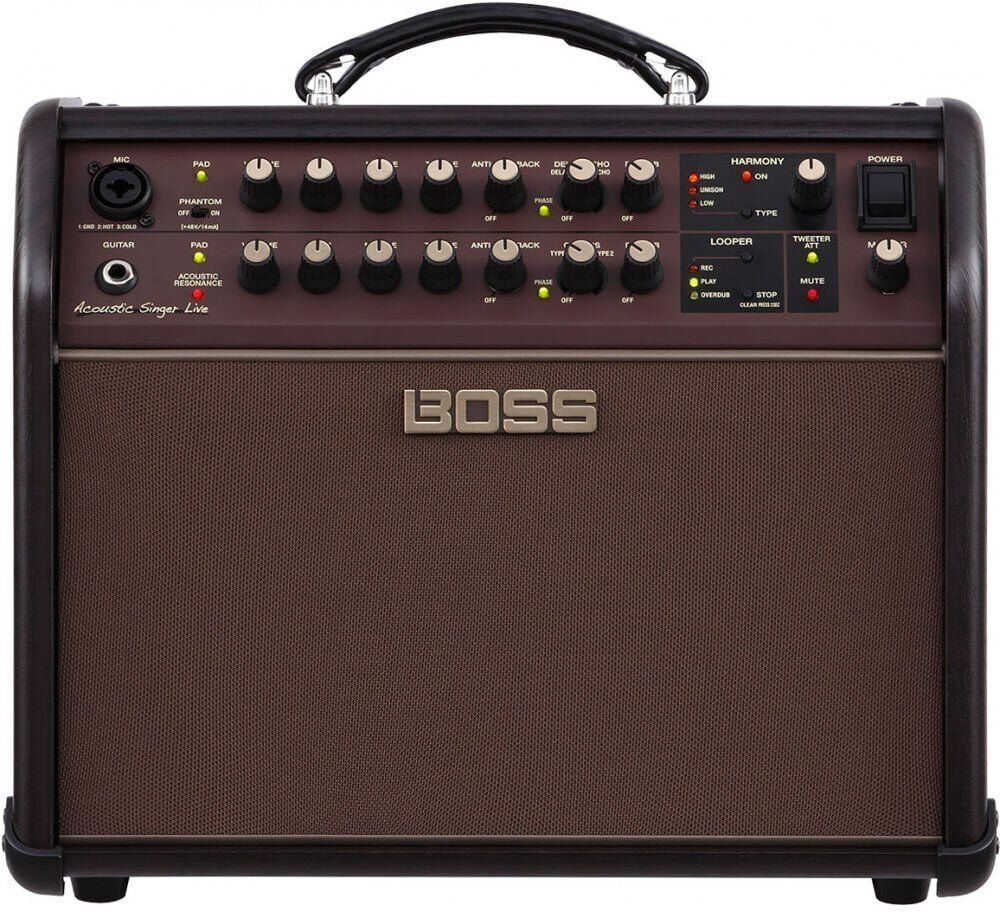
Boss ACS-LIVE Acoustic Singer Live 60W Acoustic Amplifier Original - RefurbishedDer Boss ACS-LIVE Acoustic Singer Live bringt die akustische Bühne auf neue Ebenen der Klangqualität und kreativen Vielseitigkeit. Die Acoustic Singer Live bringt die akustische Bühne auf neue Ebenen der Klangqualität und kreativen Vielseitigkeit. Mit den neuesten Fortschritten von BOSS in der Verstärkerforschung erzeugt dieses kompakte Kraftpaket einen reichen, lebendigen Klang mit unübertroffenem Stempel und Klarheit. Unabhängige Kanäle sind für akustische Gitarre und Gesang vorgesehen und sind jeweils mit diskreten analogen Eingangsschaltungen und Dreiband-EQ für Sound in Studioqualität ausgestattet. Und mit zusätzlichen Funktionen wie Acoustic Resonance, Looping, automatischen Stimmharmonien, Effekten und vielem mehr bietet der Acoustic Singer Live akustischen Musikern alles, was sie brauchen, um inspirierende und wirkungsvolle Live-Auftritte zu liefern. Merkmale • Professioneller akustischer Verstärker mit Premium-Sound und Features • 60-Watt-Bi-Ampere-Design mit maßgeschneidertem 6,5-Zoll-Woofer und Dome-Hochtöner • Dual-Kanäle mit diskreter analoger Eingangselektronik und Dreiband-EQ • Dedizierter Gitarrenkanal mit akustischer Resonanz zur Wiederherstellung des natürlichen Tons für Bühnengitarren mit Piezo-Pickups • Mic-Kanal mit Phantom-Power und 1⁄4-Zoll / XLR-Combo-Eingang zum Anschluss eines Vokal- / Gitarrenmikrofons oder einer zweiten Instrumentenquelle • Chorus-Effekt auf dem Gitarrenkanal, Delay/Echo-Effekt auf dem Mikrofonkanal und unabhängiges Reverb auf beiden Kanälen • Harmony-Funktion erzeugt automatisch glatte und genaue Stimmharmonien durch Echtzeit-Tasten- / Akkordanalyse der Gitarreninp567,00 £*Shipping: 0,00 £Secure redirect to the provider
-
Which animals live in volcanoes?
Some animals that live in volcanoes include certain types of insects, such as the Hawaiian happy-face spider and the Hawaiian caterpillar. These creatures have adapted to the extreme conditions of the volcanic environment and have found ways to thrive in this harsh habitat. Additionally, some birds, such as the Hawaiian petrel, have been known to nest in the crevices of volcanic cliffs. Overall, the unique and often harsh conditions of volcanic environments have led to the evolution of specialized species that are able to survive and even thrive in these areas. **
-
Why do people live near volcanoes?
People live near volcanoes for a variety of reasons. Some people are attracted to the fertile soil and abundant natural resources that are often found near volcanic areas. Others are drawn to the natural beauty and unique landscapes that volcanoes create. Additionally, some communities have cultural or historical ties to the area and have been living near volcanoes for generations. Despite the potential risks, many people choose to live near volcanoes because of the benefits and opportunities that these areas provide. **
-
How do people live in this culture?
In this culture, people typically live in close-knit communities where family and social connections are highly valued. They often follow traditional customs and practices, and may rely on agriculture or other traditional livelihoods for sustenance. The culture may place a strong emphasis on spirituality and religious beliefs, and people may participate in regular communal rituals and ceremonies. Additionally, there may be a strong sense of respect for elders and a collective responsibility for the well-being of the community. **
-
In which high culture do we live today?
Today, we live in a high culture that is heavily influenced by technology and media. The digital age has brought about a new form of high culture that is characterized by the widespread access to information, entertainment, and communication through the internet and social media. This has led to the blurring of traditional boundaries between different forms of art, music, and literature, and has given rise to a more interconnected and globalized high culture. Additionally, the influence of popular culture, such as film, television, and celebrity, continues to shape and define our contemporary high culture. **
Similar search terms for Live
-
Skip's Garage Live Laugh Hunt Cornhole Boards"Includes: (2) ACA Regulation Size Cornhole Boards. Boards are Regulation 24"" Wide x 48"" Long. Easily Add All-Weather Resin Filled Bags. Add Accessories like a Carrying Case or Board Lights. Lights are Multicolor and Easily Change Colors & Modes."304,49 $*Shipping: 0,00 $Secure redirect to the provider
-
Why do we live in such a cancel culture?
We live in a cancel culture because of the power and reach of social media, which allows for the rapid spread of information and opinions. This has led to a heightened sensitivity to offensive or controversial behavior, and a desire for accountability and justice. Additionally, there is a growing awareness and emphasis on social justice issues, leading to a greater scrutiny of individuals and their actions. However, while cancel culture can be a force for positive change, it also has the potential to be divisive and punitive, leading to a lack of nuance and understanding in public discourse. **
-
Do we live in a culture of outrage nowadays?
Yes, we do live in a culture of outrage nowadays. With the rise of social media, people have a platform to express their opinions and outrage over various issues. This has led to a culture where people are quick to react with strong emotions to news, events, and opinions that they disagree with. The 24-hour news cycle and the spread of information through social media also contribute to the amplification of outrage, leading to a culture where outrage is often the default response to many issues. **
-
In which ancient culture would you have wanted to live?
I would have wanted to live in ancient Greece. The ancient Greeks made significant contributions to philosophy, art, and science, and their culture valued intellectual pursuits and the pursuit of knowledge. I would have loved to participate in the philosophical discussions in the Agora, witness the Olympic Games, and experience the rich mythology and storytelling that was a central part of their culture. Additionally, the ancient Greek city-states were known for their democratic governance, which would have been fascinating to witness and participate in. **
-
Can one fully live out their own culture in a foreign country?
Living out one's own culture in a foreign country can be challenging, but it is possible to maintain important cultural traditions and practices. While some aspects of one's culture may need to be adapted to fit into the new environment, it is still possible to celebrate holidays, cook traditional foods, and speak one's native language. Additionally, seeking out community groups and events that cater to one's culture can provide a sense of connection and belonging in the foreign country. Overall, while fully living out one's culture in a foreign country may require some adjustments, it is possible to maintain important cultural elements and traditions. **
* All prices are inclusive of VAT and, if applicable, plus shipping costs. The offer information is based on the details provided by the respective shop and is updated through automated processes. Real-time updates do not occur, so deviations can occur in individual cases. ** Note: Parts of this content were created by AI.