Buy nicaragua-online.com ?
We are moving the project
nicaragua-online.com .
Are you interested in purchasing the domain
nicaragua-online.com ?
domain@kv-gmbh.de · 0541-91531010
Buy nicaragua-online.com ?
What is the difference between self-pollination and cross-pollination?
Self-pollination occurs when pollen from the same plant fertilizes the ovules within the same flower or between different flowers on the same plant. This can happen through the transfer of pollen by wind, water, or self-pollinating mechanisms. On the other hand, cross-pollination involves the transfer of pollen from the male reproductive organ of one plant to the female reproductive organ of another plant of the same species. This process promotes genetic diversity and can result in stronger, more resilient offspring. **
What are the advantages and disadvantages of self-pollination in plants?
Self-pollination in plants has advantages such as ensuring reproductive success even in isolated or small populations, as it does not rely on external agents like wind or insects for pollination. This can lead to faster and more efficient reproduction. However, self-pollination can also result in reduced genetic diversity within a population, making plants more susceptible to diseases and environmental changes. It can also limit the potential for beneficial genetic variations to arise through cross-pollination. **
Similar search terms for Self-pollination
Top-Angebote
Products related to Self-pollination:
-
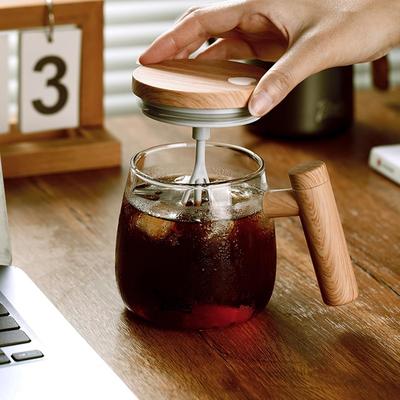
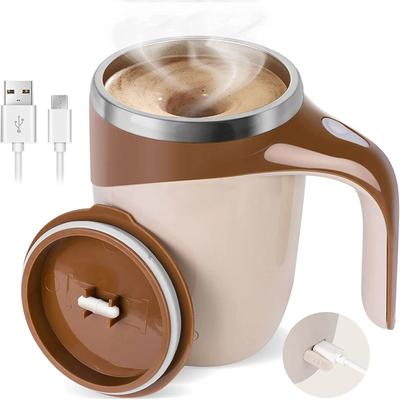
Uplifted Finds Automatic Magnetic Self Stirring Coffee Mug brownAchieve a new standard of beverage consistency with this HighPerformance SelfStirring Mug, specifically engineered as a professional solution for mixing coffee, milk, and juices. This industrialstandard electric mug features an integrated...111,97 $*Shipping: 0,00 $Secure redirect to the provider
-
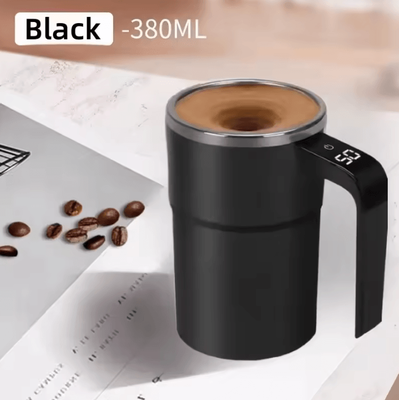
Inspire Curations Smart Self Stirring Coffee Mug Self Stirring Mug With Digital Display & USB Rechargeable Mixing black 301 400mlEnjoy perfectly blended coffee, tea, hot chocolate, or protein drinks without reaching for a spoon. This automatic self stirring mug features powerful magnetic mixing technology that quickly creates a smooth, lumpfree drink at the touch of a button....105,50 $*Shipping: 0,00 $Secure redirect to the provider
-
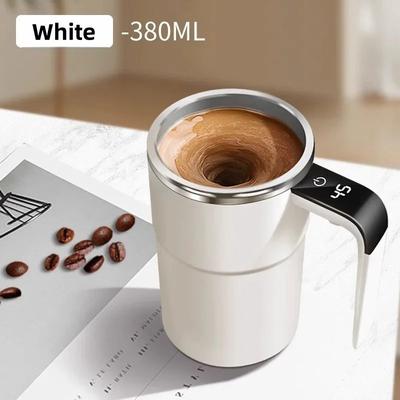
Uplift Treasures 380ML Electric Self Mixing Coffee Mug white 301 400mlProduct Description: Enjoy perfectly blended drinks every time with this 380ML Electric Self Mixing Coffee Mug. Designed with automatic magnetic stirring technology, this smart mug mixes coffee, milk, protein shakes, and more at the touch of a...87,97 $*Shipping: 0,00 $Secure redirect to the provider
-
Skip's Garage Drink Up, Beaches Cornhole Boards"Includes: (2) Cornhole Boards & (8) Bags. Boards are Regulation Sized 24"" Wide x 48"" Long. Bags Will Complement The Board Colors. Easily Message Us Bag Color Requests. Easily Add a Carry Cases, Lights, or Both!"296,49 $*Shipping: 0,00 $Secure redirect to the provider

-
What is pollination in flowers?
Pollination in flowers is the process by which pollen from the male reproductive organs (anthers) of a flower is transferred to the female reproductive organs (stigma) of the same or another flower, leading to fertilization and the production of seeds. This transfer of pollen can occur through various means, including wind, water, and animals such as bees, butterflies, and birds. Pollination is essential for the reproduction of flowering plants and the production of fruits and seeds. **
-
How does pollination occur in insects?
Pollination in insects occurs when they visit flowers in search of nectar or pollen. As they feed, they inadvertently brush against the reproductive parts of the flower, picking up pollen grains. When the insect moves to another flower of the same species, some of this pollen is transferred to the stigma, fertilizing the flower. This process allows for the successful reproduction of many plant species with the help of insect pollinators. **
-
What forms of pollination exist in primroses?
Primroses exhibit both self-pollination and cross-pollination. Self-pollination occurs when the plant's own pollen fertilizes its own ovules, leading to genetic uniformity. Cross-pollination, on the other hand, involves the transfer of pollen from one plant to another, promoting genetic diversity. Primroses can be pollinated by insects, such as bees and butterflies, as well as by wind. **
-
How does the pollination of insects occur?
Insect pollination occurs when insects, such as bees, butterflies, and beetles, visit flowers in search of nectar or pollen. As they move from flower to flower, they inadvertently transfer pollen from the male reproductive parts of one flower to the female reproductive parts of another. This transfer of pollen allows for fertilization and the production of seeds and fruits. Insects are attracted to flowers by their colors, scents, and nectar, and in the process of feeding, they facilitate the crucial process of pollination. **
How do metabolism and pollination work in plants?
Metabolism in plants involves the process of converting sunlight, water, and carbon dioxide into energy through photosynthesis. This energy is then used to fuel the plant's growth and development. Pollination, on the other hand, is the transfer of pollen from the male reproductive organs of a flower to the female reproductive organs, leading to fertilization and the production of seeds. This process can occur through wind, water, or animal pollinators such as bees, butterflies, or birds. Both metabolism and pollination are essential processes for the survival and reproduction of plants, allowing them to produce energy and propagate their species. **
How does the pollination of hazelnut plants occur?
Hazelnut plants are pollinated by the wind. The male flowers release pollen, which is then carried by the wind to the female flowers. The female flowers have a stigma that catches the pollen, allowing fertilization to occur. This process does not require the assistance of insects or other animals, as the wind is the primary method of pollination for hazelnut plants. **
Top-Angebote
Products related to Self-pollination:
-
KitchenCuration Nordic Electric Self Stirring Coffee Mug Nordic Electric Self Stirring Coffee Mug7000rpm High Speed This electric stirring mug features strong power with 7000rpm highspeed stirring. Nonlumps and taste delicate and smooth. A threepronged stirring stick makes more efficient and even stirring. Easy to Use This electric stirring mug...32,97 $*Shipping: 0,00 $Secure redirect to the provider
-
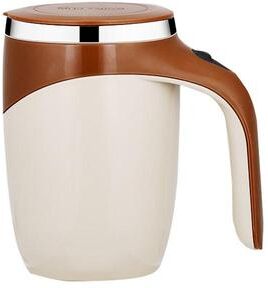
United Self Stirring Coffee Mug Stainless Steel Automatic Coffee Mixing Cup brownWake up to perfectly blended drinks without lifting a spoon. This self stirring coffee mug is designed for busy professionals, coffee lovers, travelers, and anyone who enjoys smooth beverages with less effort. Featuring onetouch magnetic stirring,...39,97 $*Shipping: 0,00 $Secure redirect to the provider
-
Uplifted Finds Automatic Magnetic Self Stirring Coffee Mug brownAchieve a new standard of beverage consistency with this HighPerformance SelfStirring Mug, specifically engineered as a professional solution for mixing coffee, milk, and juices. This industrialstandard electric mug features an integrated...111,97 $*Shipping: 0,00 $Secure redirect to the provider
-
Inspire Curations Smart Self Stirring Coffee Mug Self Stirring Mug With Digital Display & USB Rechargeable Mixing black 301 400mlEnjoy perfectly blended coffee, tea, hot chocolate, or protein drinks without reaching for a spoon. This automatic self stirring mug features powerful magnetic mixing technology that quickly creates a smooth, lumpfree drink at the touch of a button....105,50 $*Shipping: 0,00 $Secure redirect to the provider
-
What is the difference between self-pollination and cross-pollination?
Self-pollination occurs when pollen from the same plant fertilizes the ovules within the same flower or between different flowers on the same plant. This can happen through the transfer of pollen by wind, water, or self-pollinating mechanisms. On the other hand, cross-pollination involves the transfer of pollen from the male reproductive organ of one plant to the female reproductive organ of another plant of the same species. This process promotes genetic diversity and can result in stronger, more resilient offspring. **
-
What are the advantages and disadvantages of self-pollination in plants?
Self-pollination in plants has advantages such as ensuring reproductive success even in isolated or small populations, as it does not rely on external agents like wind or insects for pollination. This can lead to faster and more efficient reproduction. However, self-pollination can also result in reduced genetic diversity within a population, making plants more susceptible to diseases and environmental changes. It can also limit the potential for beneficial genetic variations to arise through cross-pollination. **
-
What is pollination in flowers?
Pollination in flowers is the process by which pollen from the male reproductive organs (anthers) of a flower is transferred to the female reproductive organs (stigma) of the same or another flower, leading to fertilization and the production of seeds. This transfer of pollen can occur through various means, including wind, water, and animals such as bees, butterflies, and birds. Pollination is essential for the reproduction of flowering plants and the production of fruits and seeds. **
-
How does pollination occur in insects?
Pollination in insects occurs when they visit flowers in search of nectar or pollen. As they feed, they inadvertently brush against the reproductive parts of the flower, picking up pollen grains. When the insect moves to another flower of the same species, some of this pollen is transferred to the stigma, fertilizing the flower. This process allows for the successful reproduction of many plant species with the help of insect pollinators. **
Similar search terms for Self-pollination
-
Uplift Treasures 380ML Electric Self Mixing Coffee Mug white 301 400mlProduct Description: Enjoy perfectly blended drinks every time with this 380ML Electric Self Mixing Coffee Mug. Designed with automatic magnetic stirring technology, this smart mug mixes coffee, milk, protein shakes, and more at the touch of a...87,97 $*Shipping: 0,00 $Secure redirect to the provider
-
Skip's Garage Drink Up, Beaches Cornhole Boards"Includes: (2) Cornhole Boards & (8) Bags. Boards are Regulation Sized 24"" Wide x 48"" Long. Bags Will Complement The Board Colors. Easily Message Us Bag Color Requests. Easily Add a Carry Cases, Lights, or Both!"296,49 $*Shipping: 0,00 $Secure redirect to the provider
-
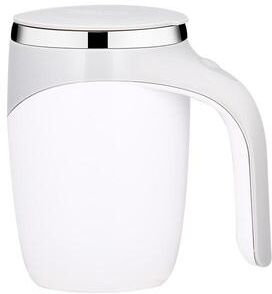
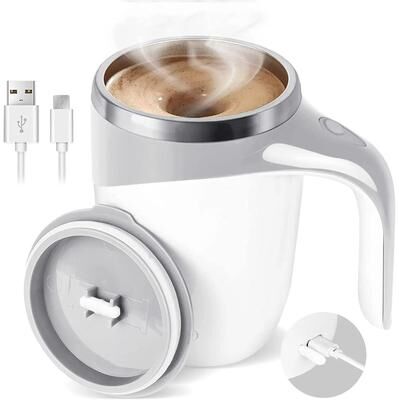
United Self Stirring Coffee Mug Stainless Steel Automatic Coffee Mixing Cup whiteWake up to perfectly blended drinks without lifting a spoon. This self stirring coffee mug is designed for busy professionals, coffee lovers, travelers, and anyone who enjoys smooth beverages with less effort. Featuring onetouch magnetic stirring,...39,97 $*Shipping: 0,00 $Secure redirect to the provider
-
Uplifted Finds Automatic Magnetic Self Stirring Coffee Mug whiteAchieve a new standard of beverage consistency with this HighPerformance SelfStirring Mug, specifically engineered as a professional solution for mixing coffee, milk, and juices. This industrialstandard electric mug features an integrated...111,97 $*Shipping: 0,00 $Secure redirect to the provider
-
What forms of pollination exist in primroses?
Primroses exhibit both self-pollination and cross-pollination. Self-pollination occurs when the plant's own pollen fertilizes its own ovules, leading to genetic uniformity. Cross-pollination, on the other hand, involves the transfer of pollen from one plant to another, promoting genetic diversity. Primroses can be pollinated by insects, such as bees and butterflies, as well as by wind. **
-
How does the pollination of insects occur?
Insect pollination occurs when insects, such as bees, butterflies, and beetles, visit flowers in search of nectar or pollen. As they move from flower to flower, they inadvertently transfer pollen from the male reproductive parts of one flower to the female reproductive parts of another. This transfer of pollen allows for fertilization and the production of seeds and fruits. Insects are attracted to flowers by their colors, scents, and nectar, and in the process of feeding, they facilitate the crucial process of pollination. **
-
How do metabolism and pollination work in plants?
Metabolism in plants involves the process of converting sunlight, water, and carbon dioxide into energy through photosynthesis. This energy is then used to fuel the plant's growth and development. Pollination, on the other hand, is the transfer of pollen from the male reproductive organs of a flower to the female reproductive organs, leading to fertilization and the production of seeds. This process can occur through wind, water, or animal pollinators such as bees, butterflies, or birds. Both metabolism and pollination are essential processes for the survival and reproduction of plants, allowing them to produce energy and propagate their species. **
-
How does the pollination of hazelnut plants occur?
Hazelnut plants are pollinated by the wind. The male flowers release pollen, which is then carried by the wind to the female flowers. The female flowers have a stigma that catches the pollen, allowing fertilization to occur. This process does not require the assistance of insects or other animals, as the wind is the primary method of pollination for hazelnut plants. **
* All prices are inclusive of VAT and, if applicable, plus shipping costs. The offer information is based on the details provided by the respective shop and is updated through automated processes. Real-time updates do not occur, so deviations can occur in individual cases. ** Note: Parts of this content were created by AI.